




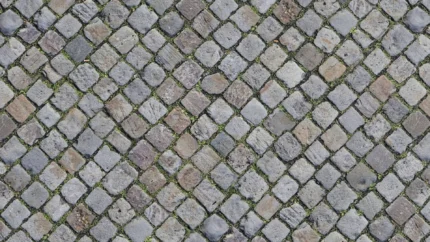
Guillotine
Description
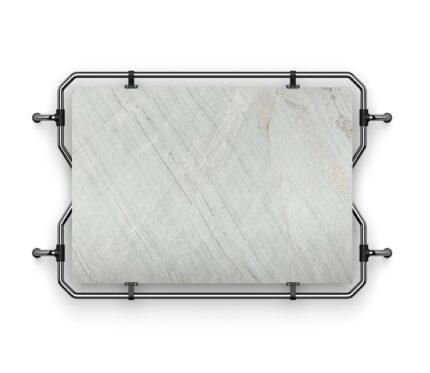
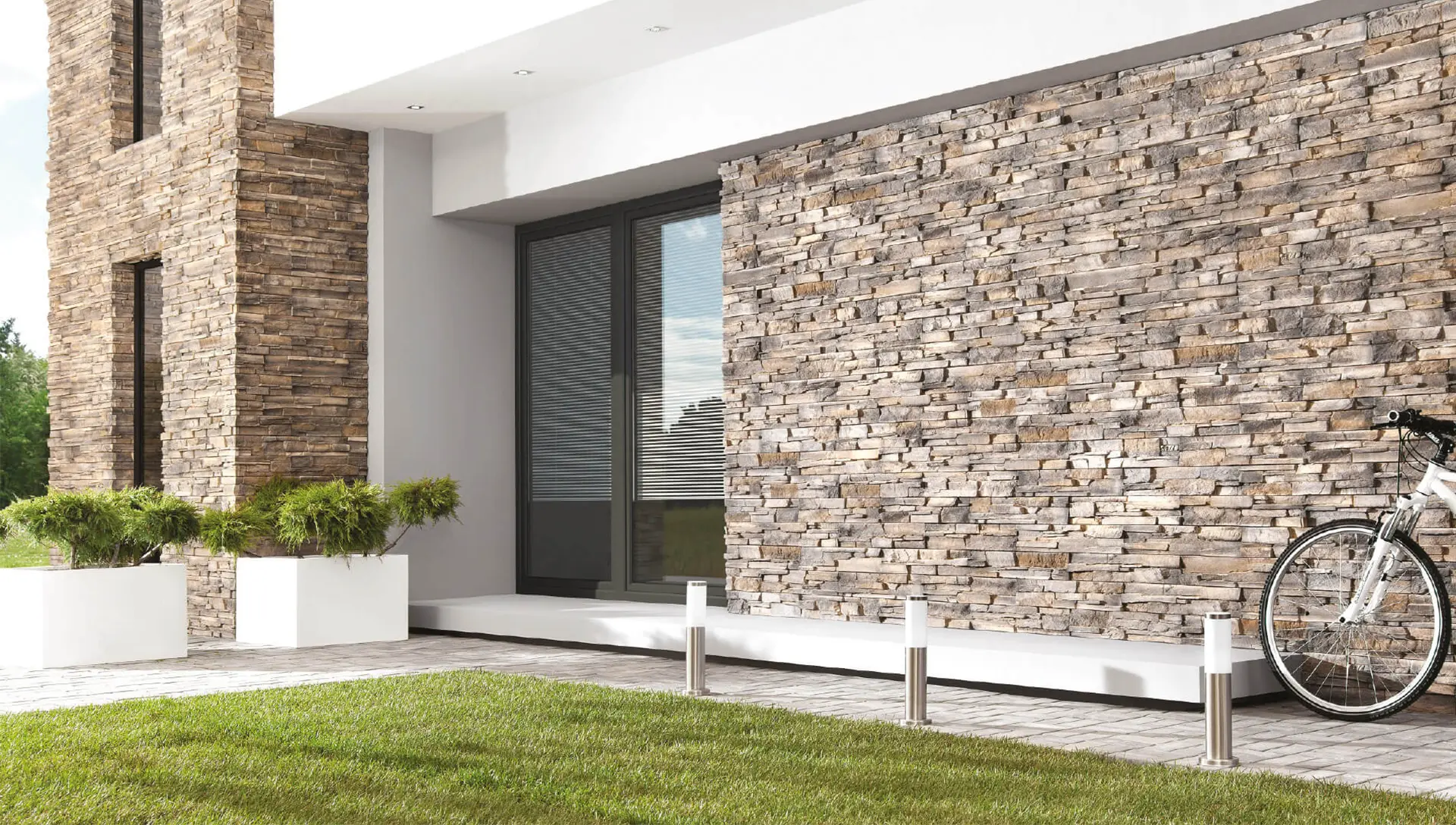
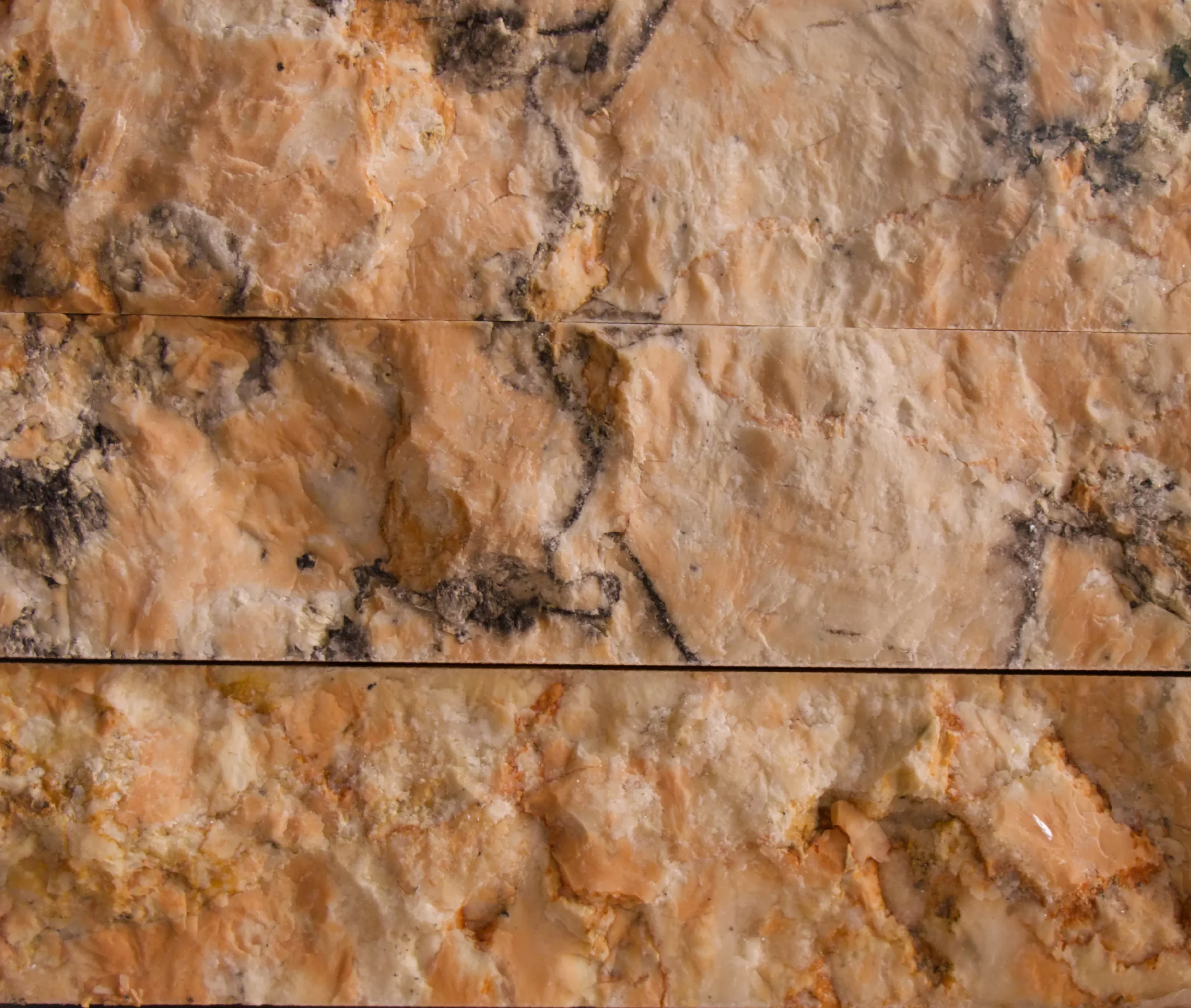
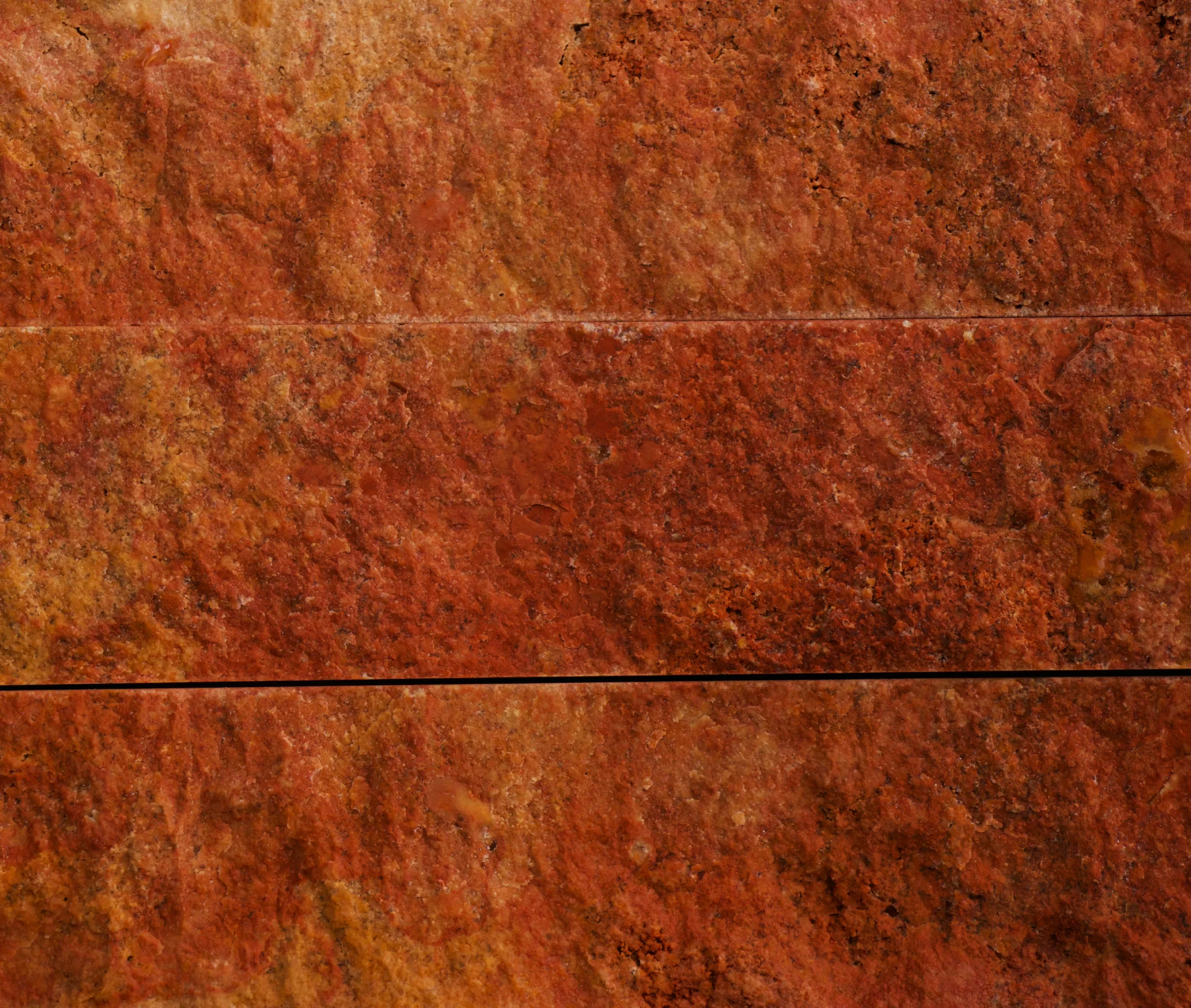
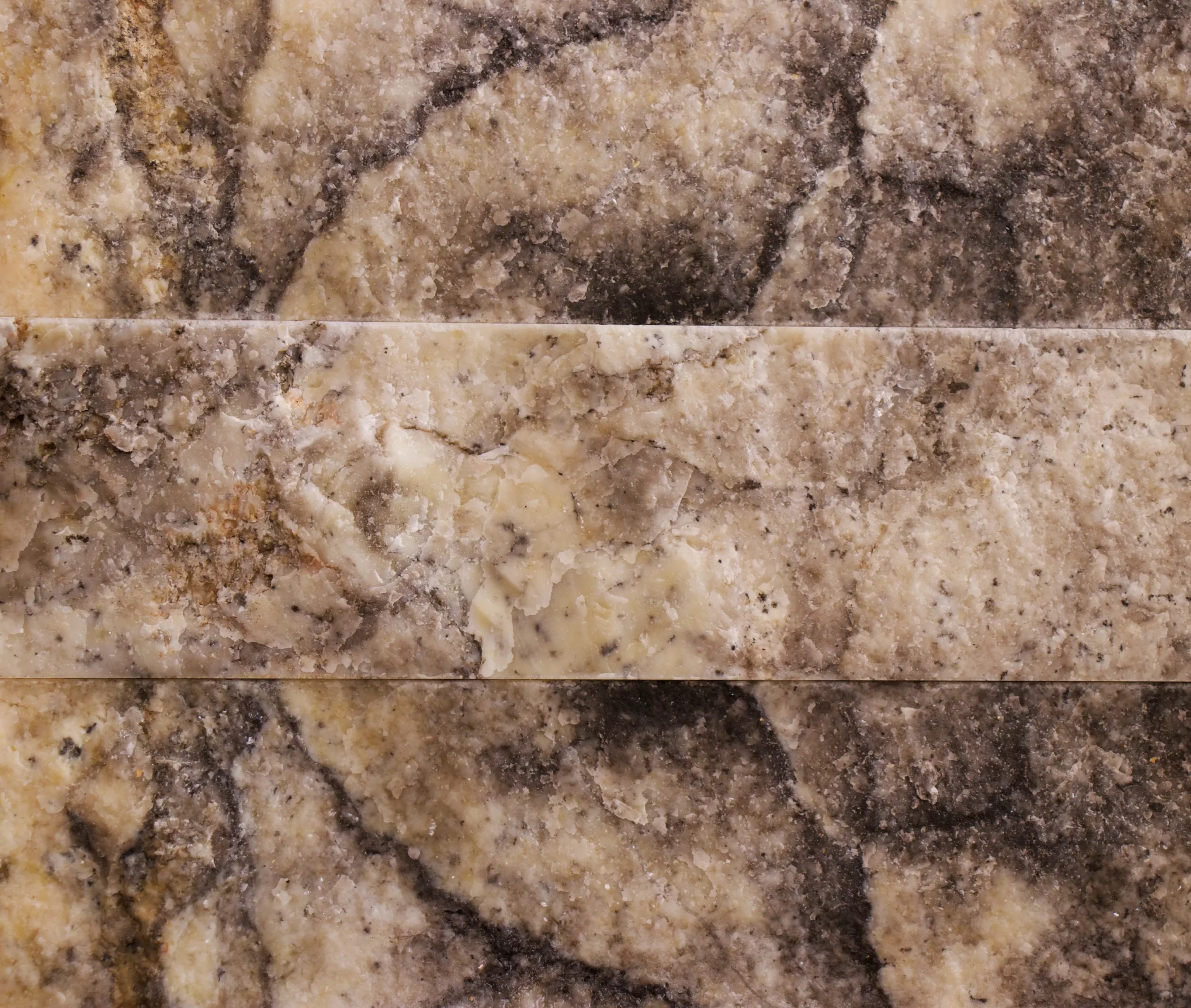
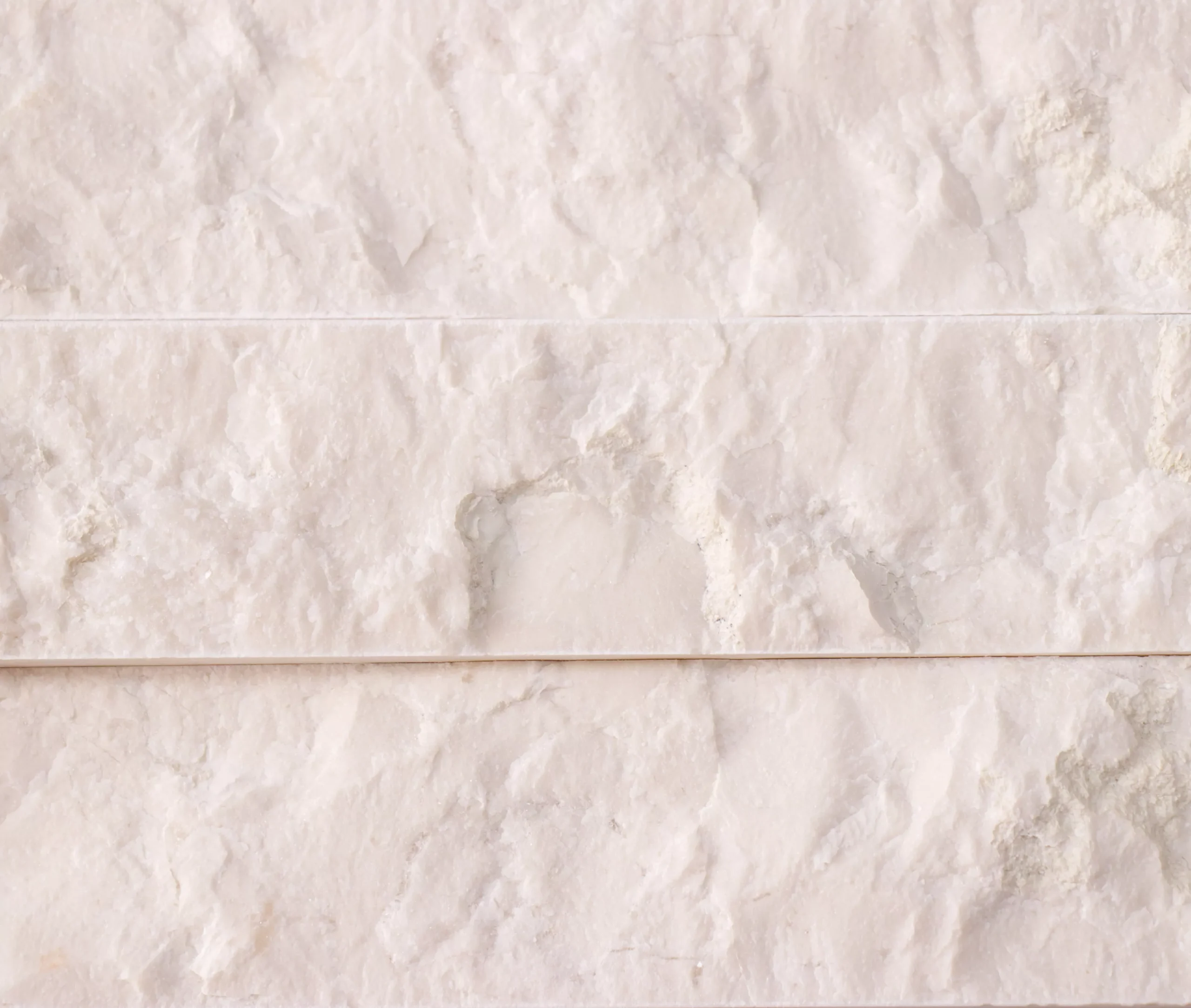
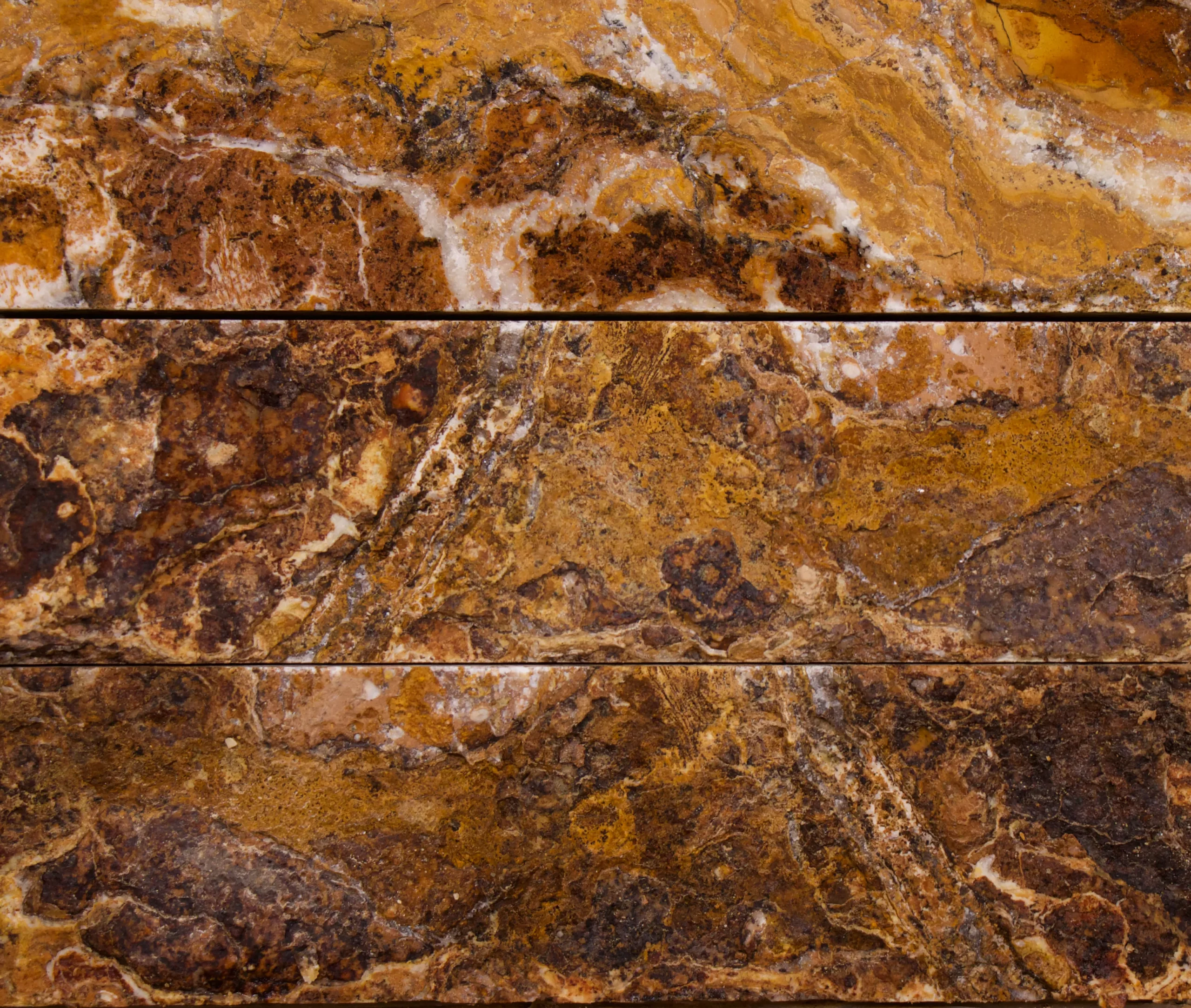
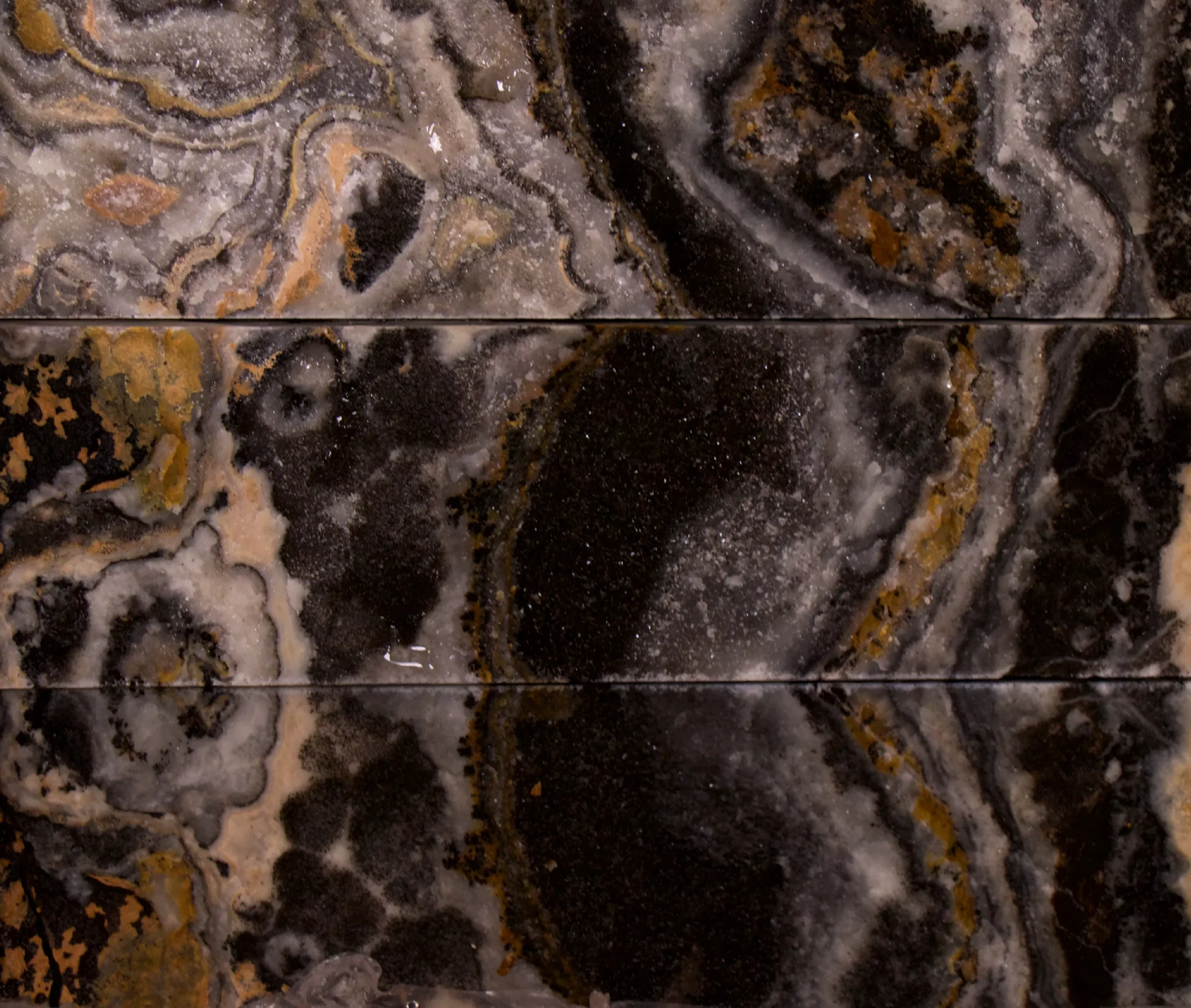
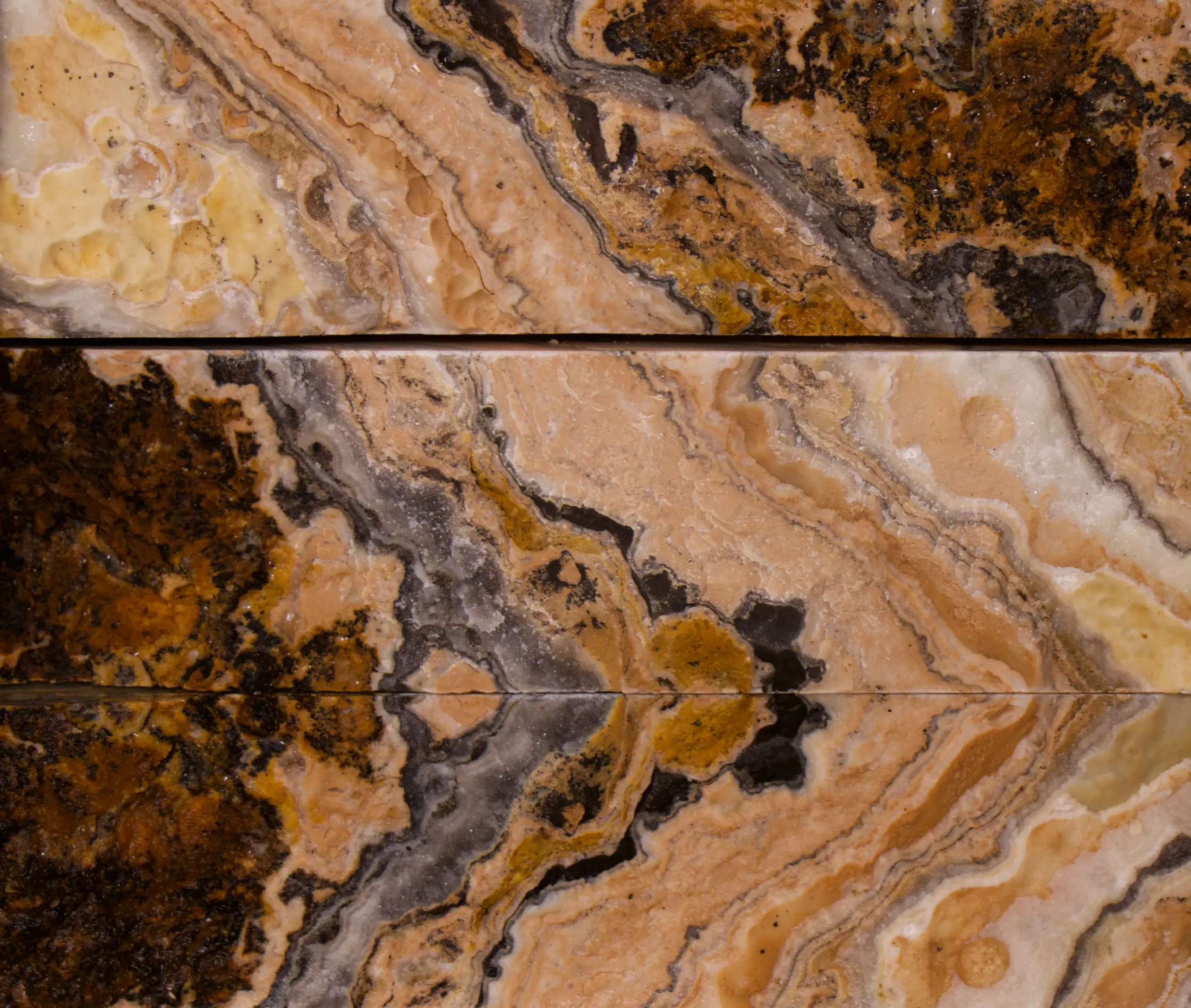
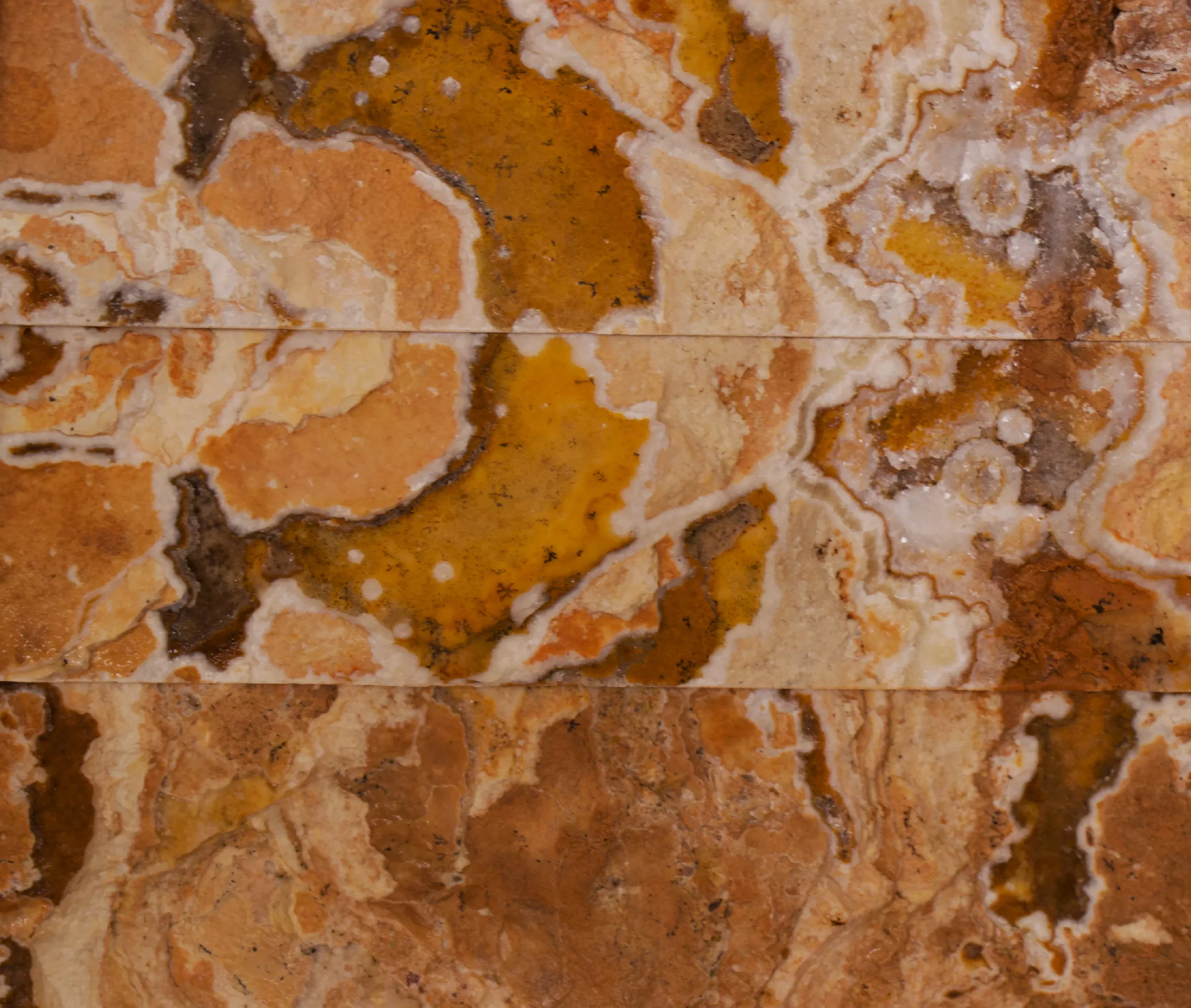
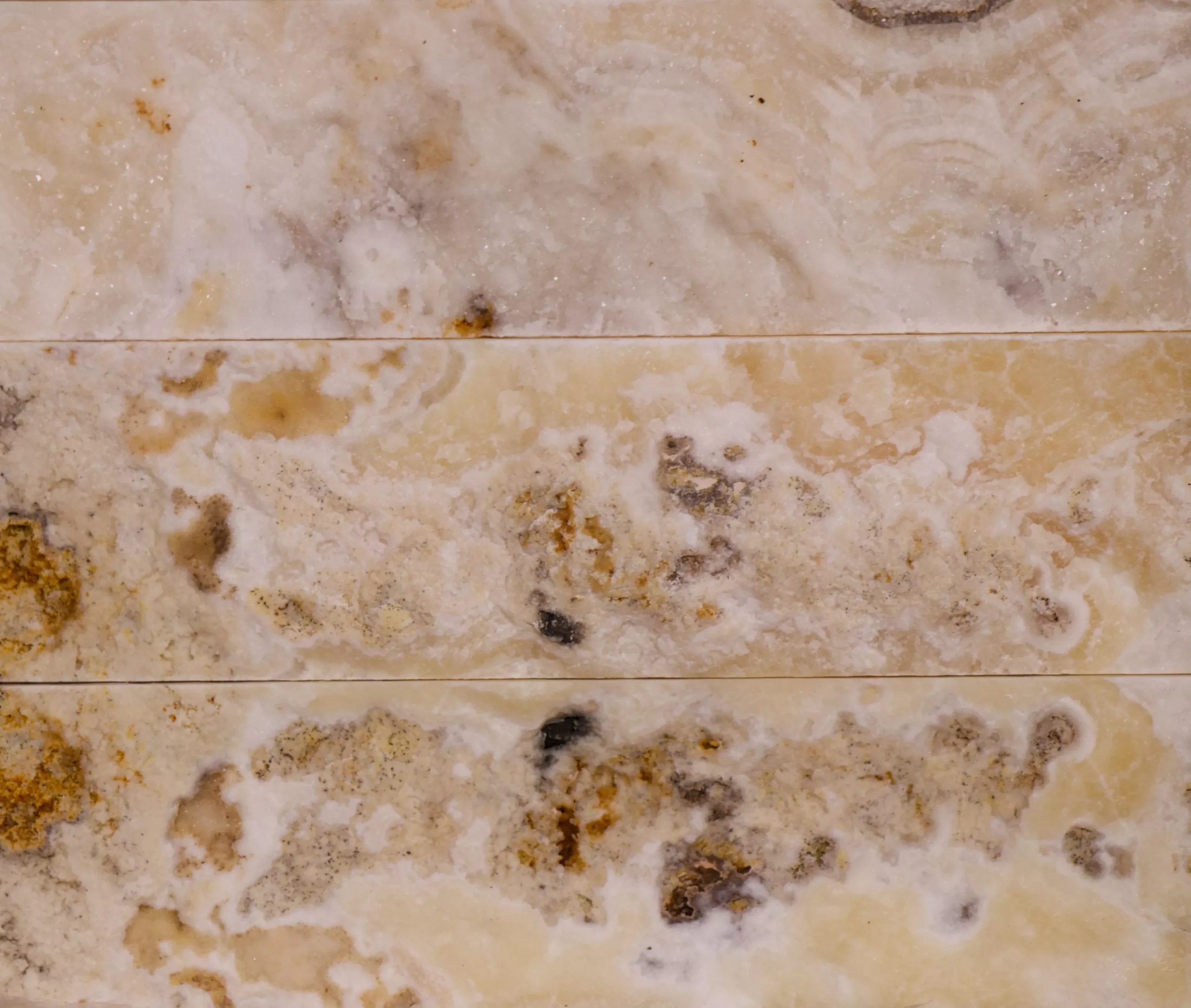
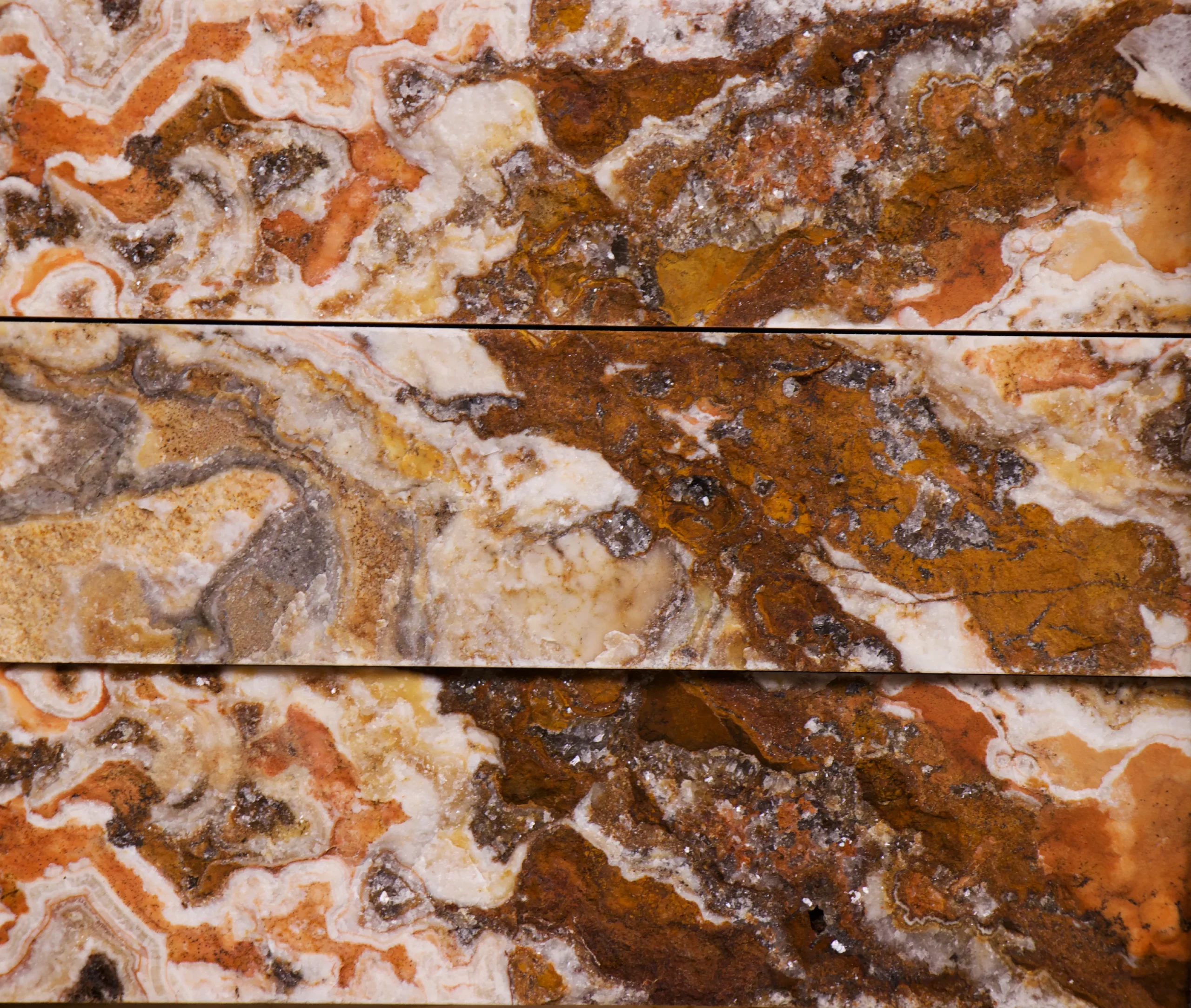
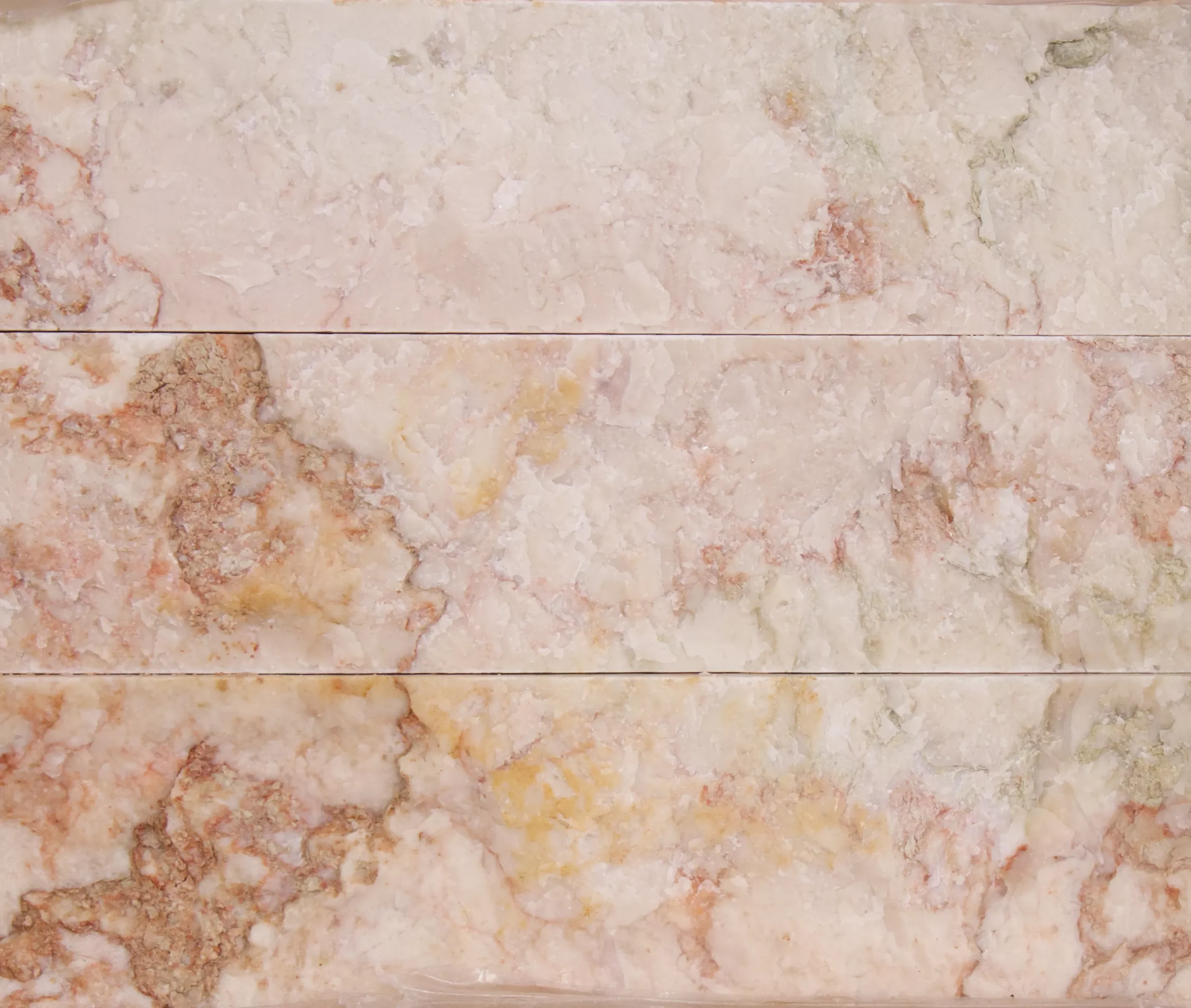
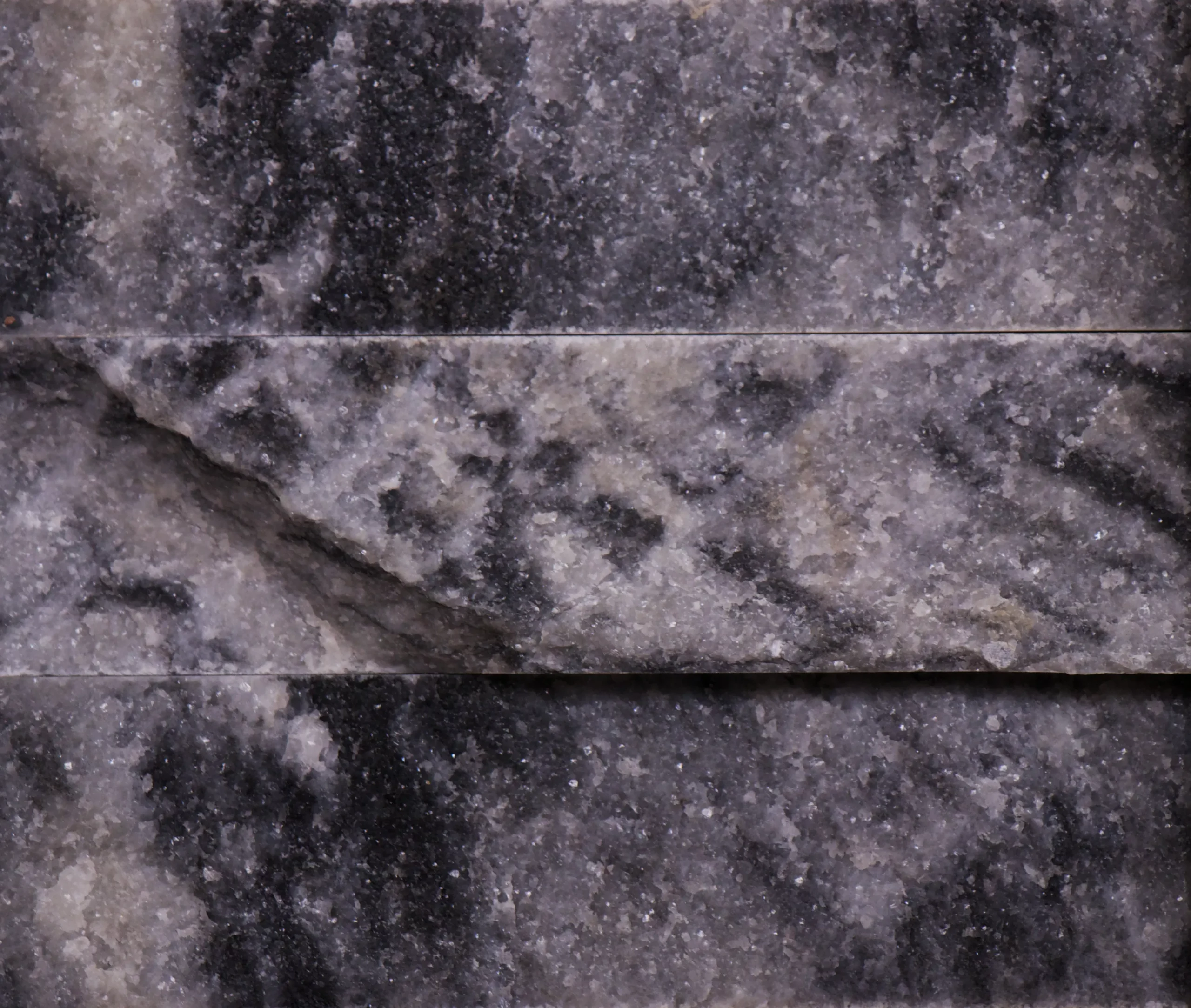
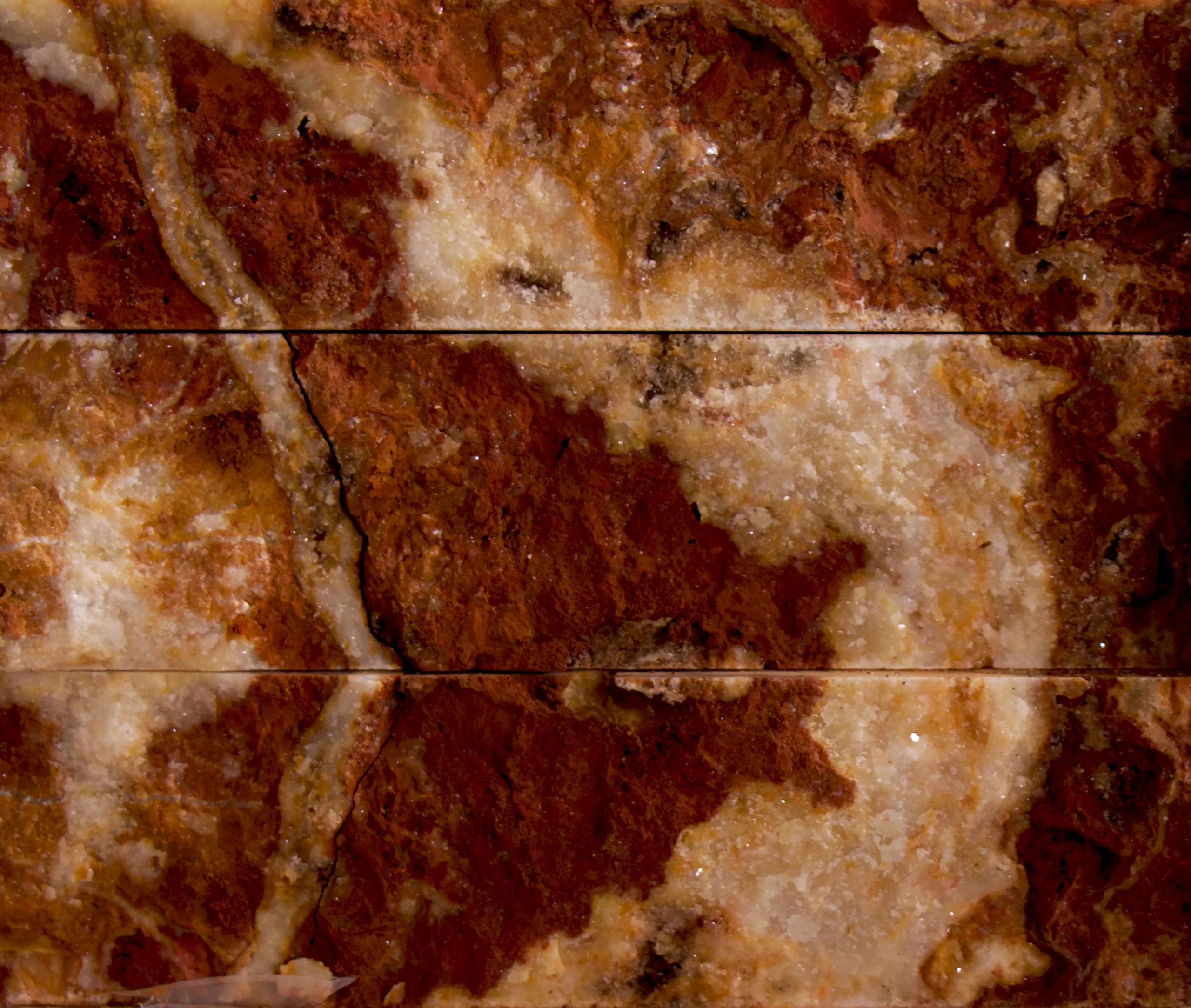
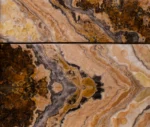
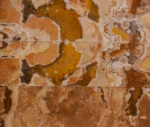
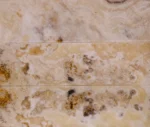
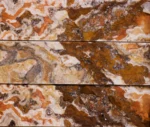
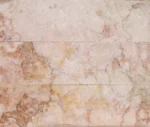
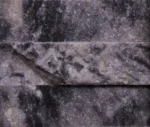
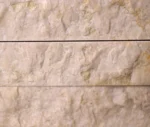
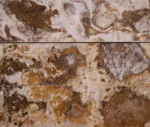
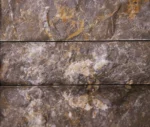
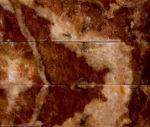
Guillotine stone—also known as scissor stone—is a popular building material used extensively in both interior and exterior architectural design. Classified as an antique decorative stone, it is cut into various dimensions using a specialized guillotine machine, which gives the stone its name.
What Is Guillotine Stone Used For?
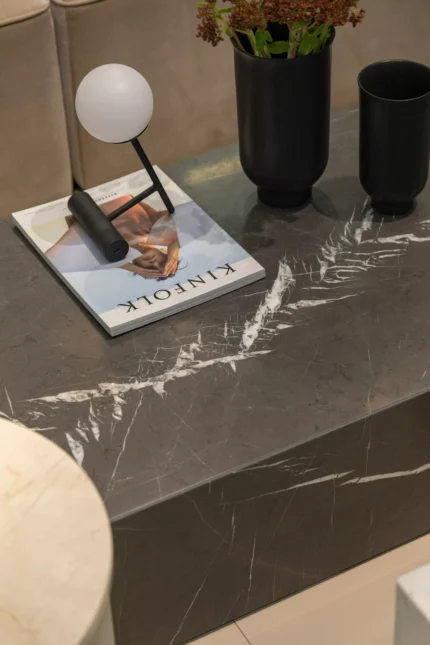
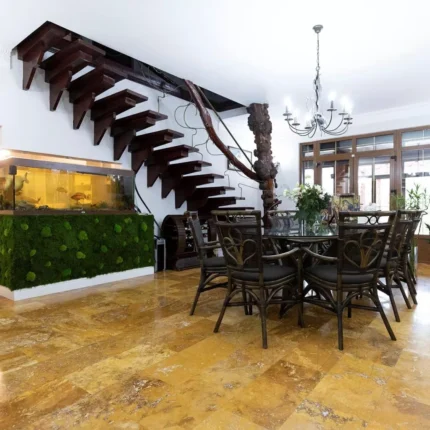
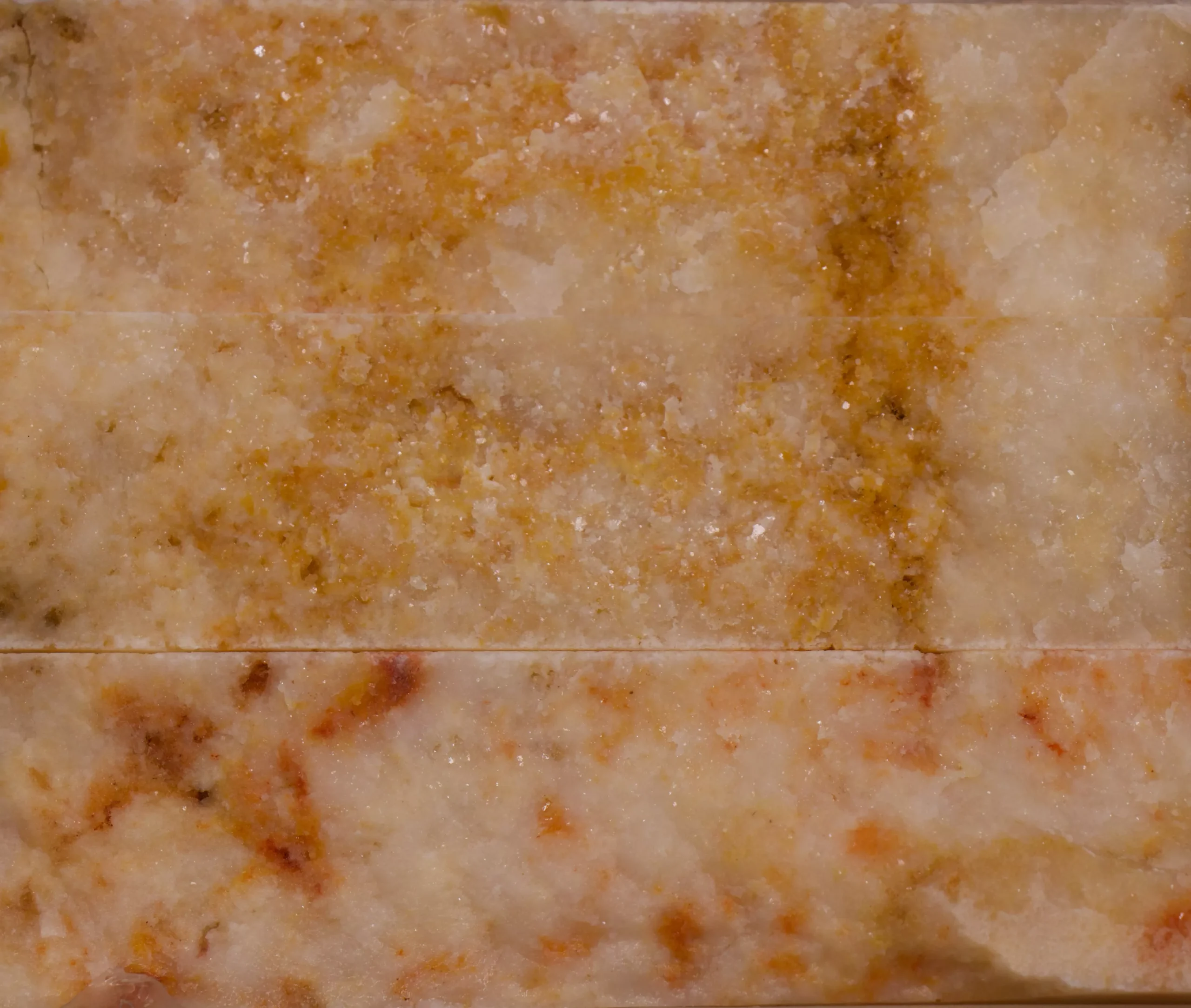
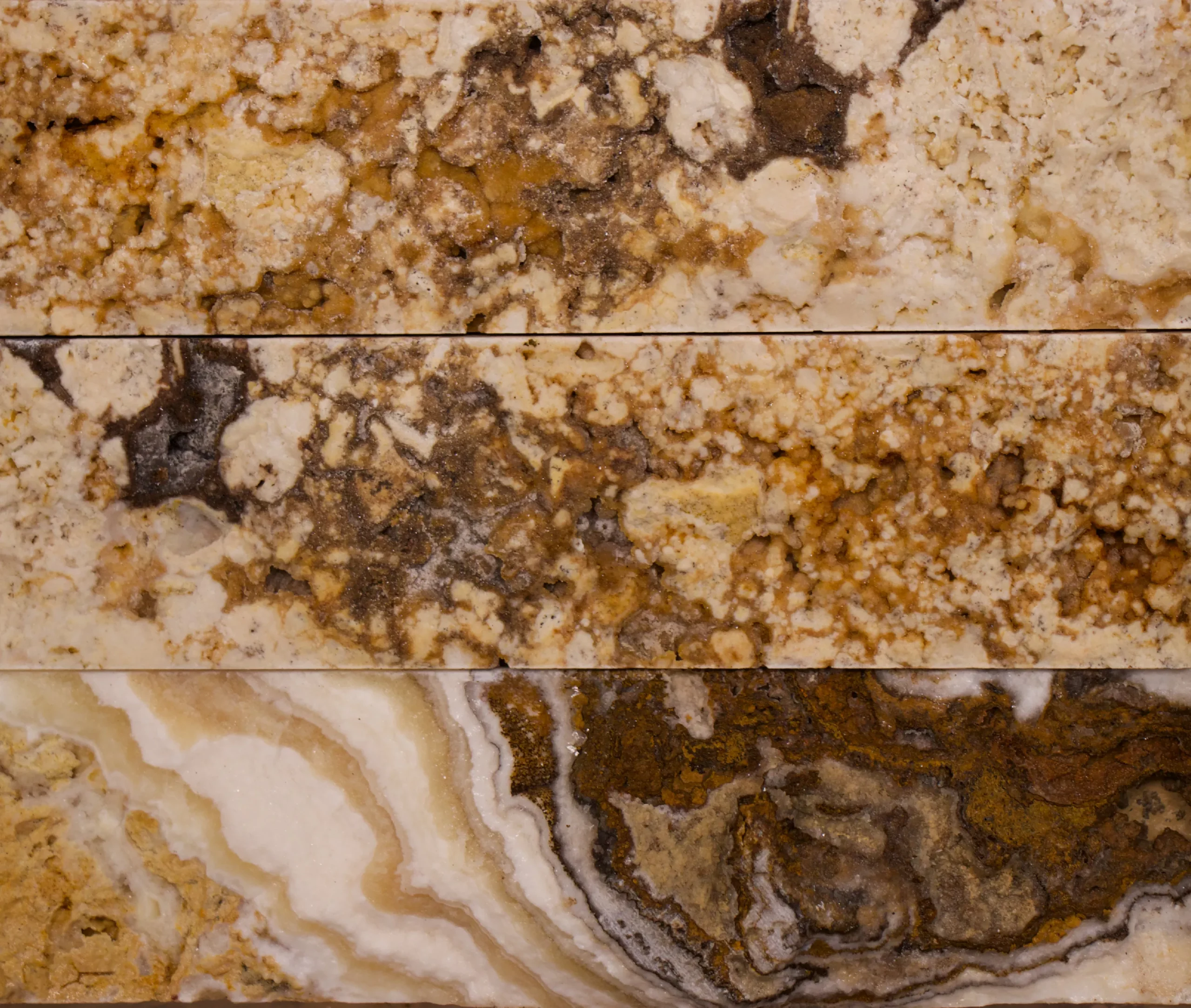
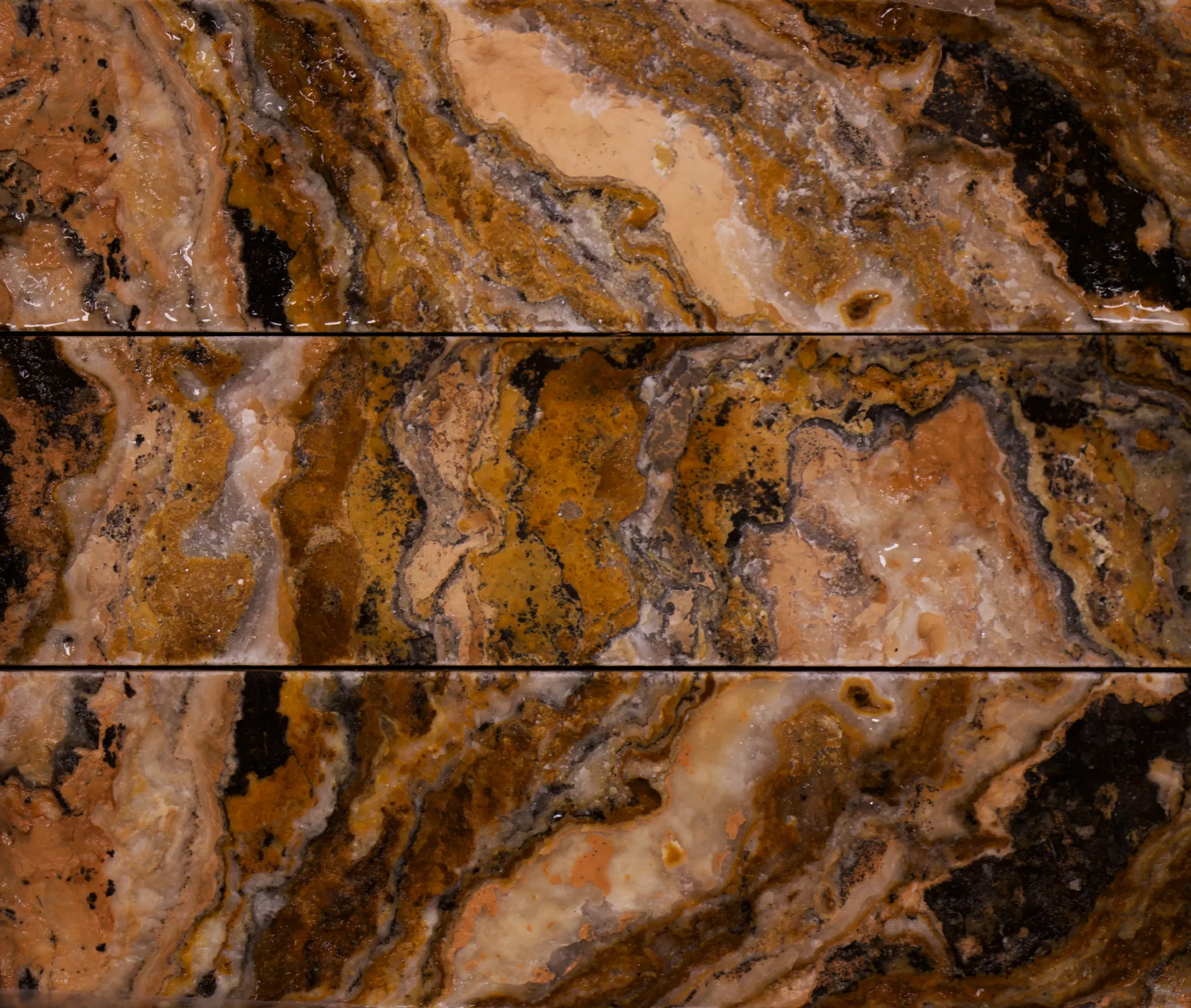
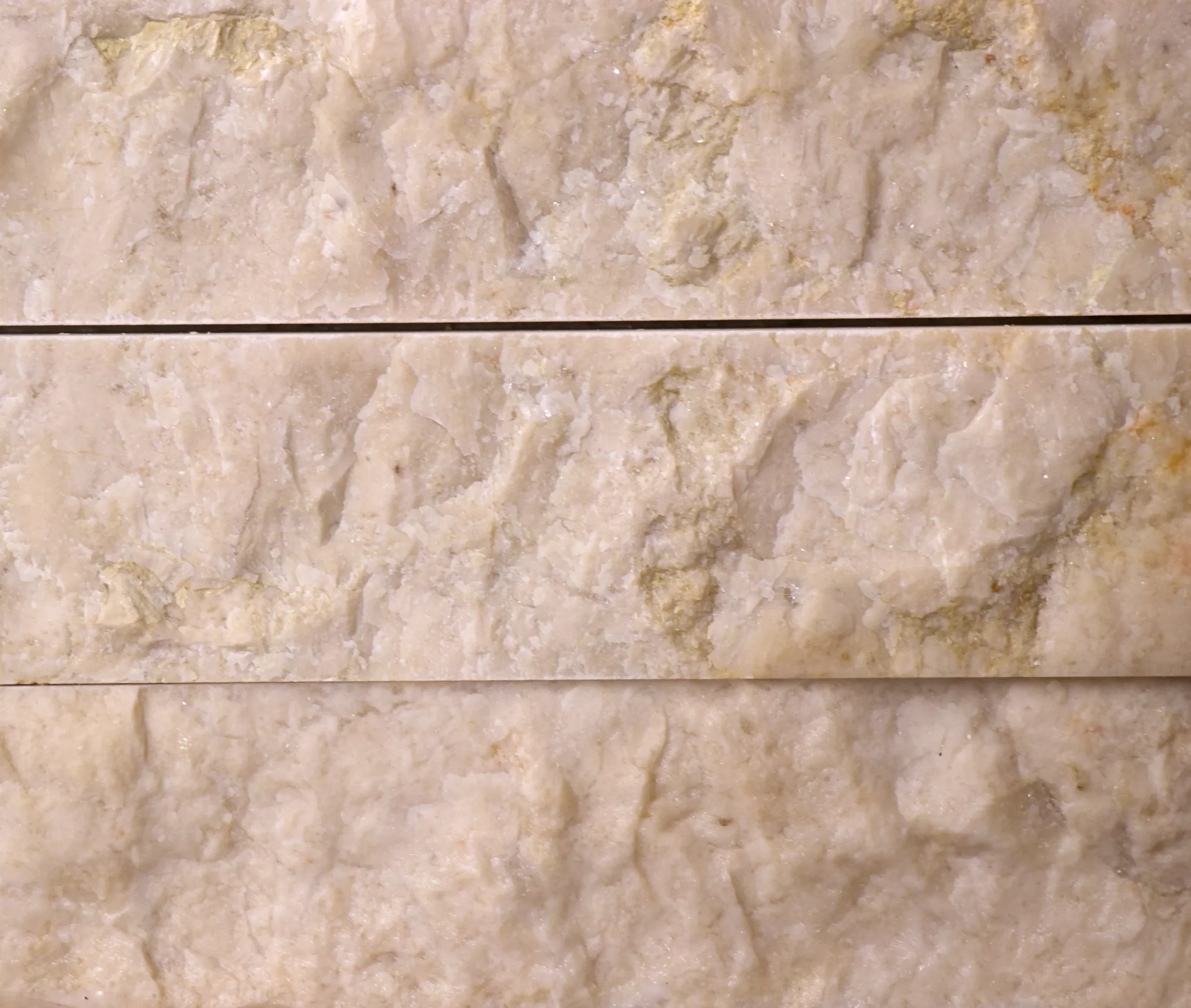
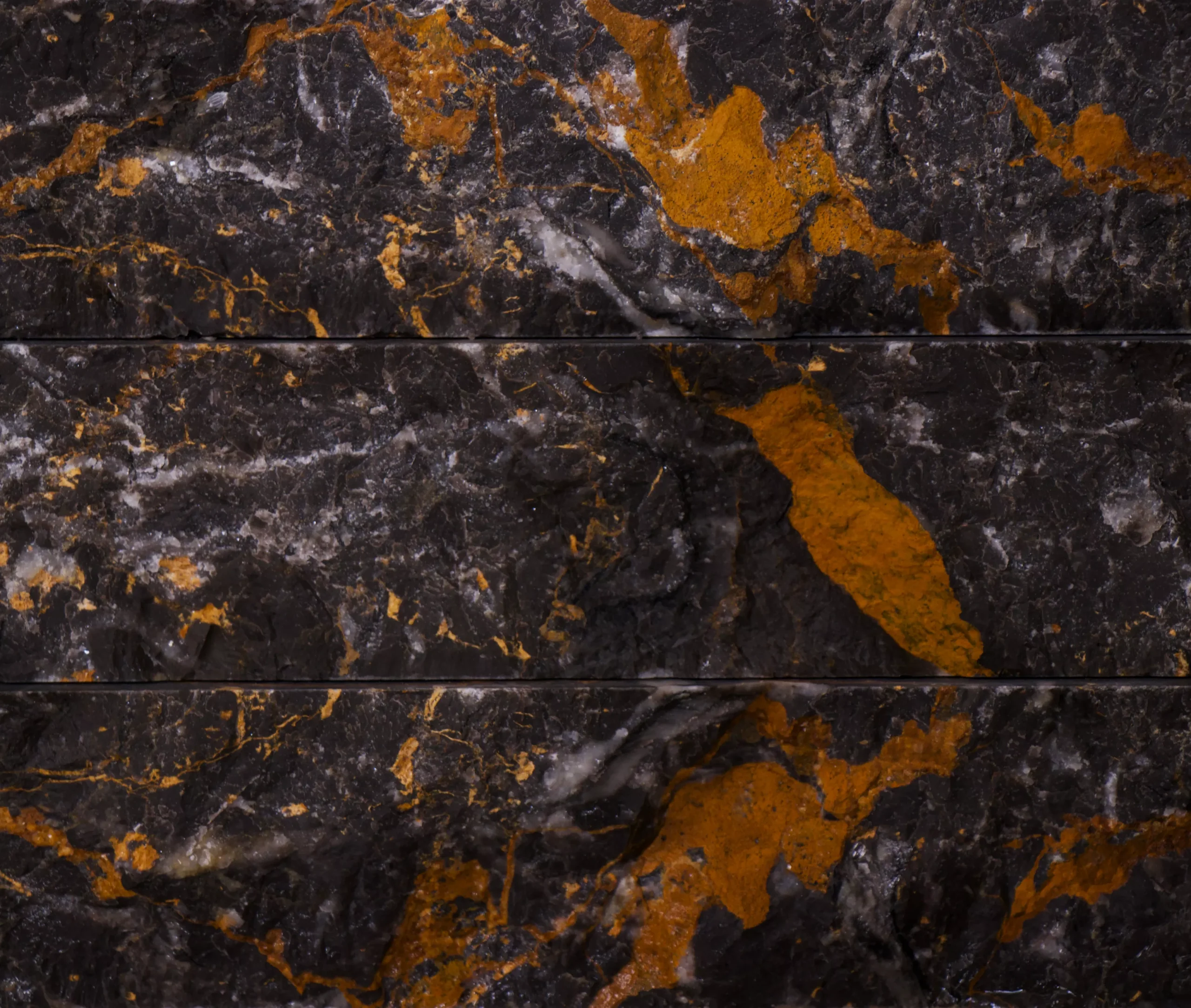
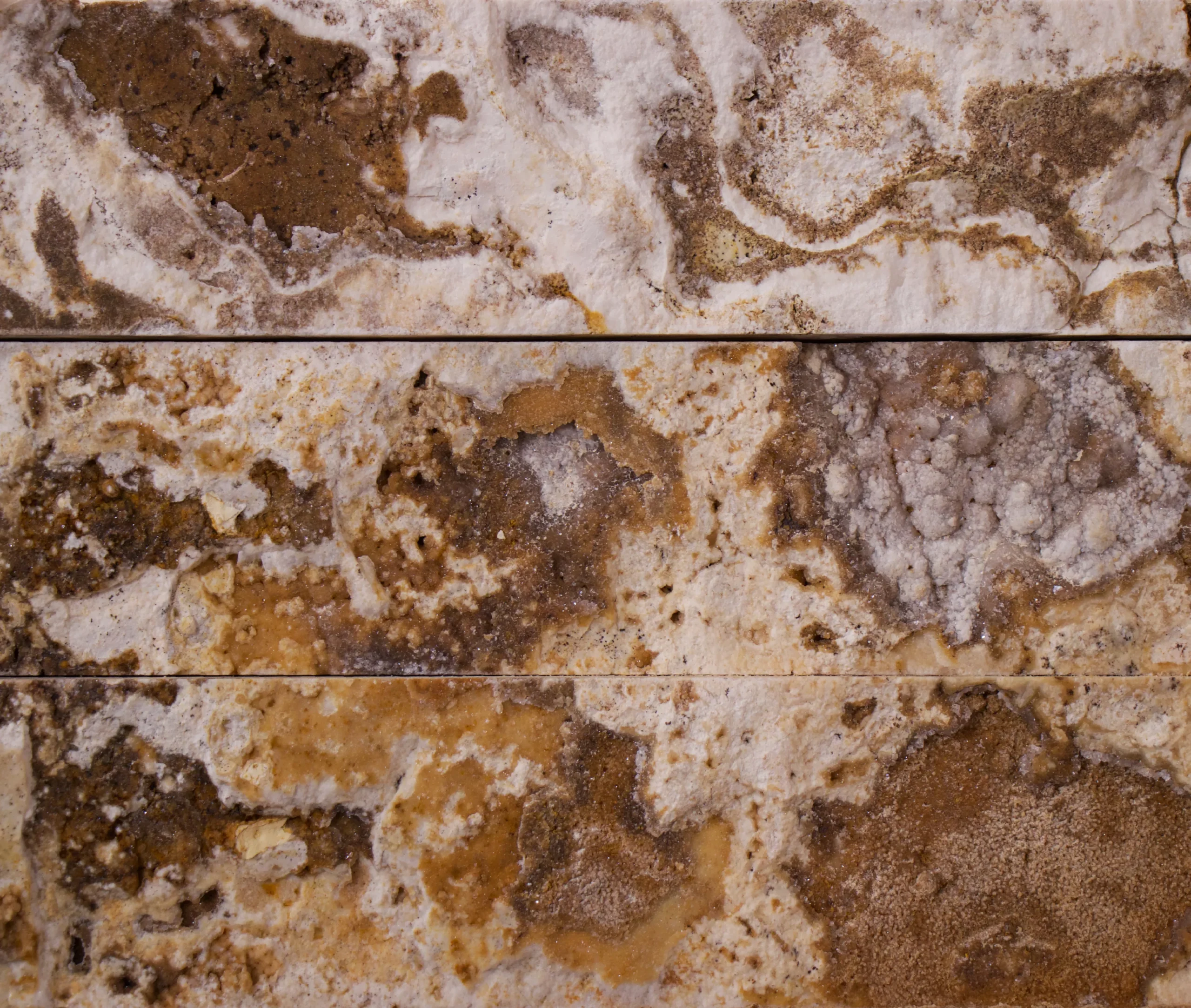
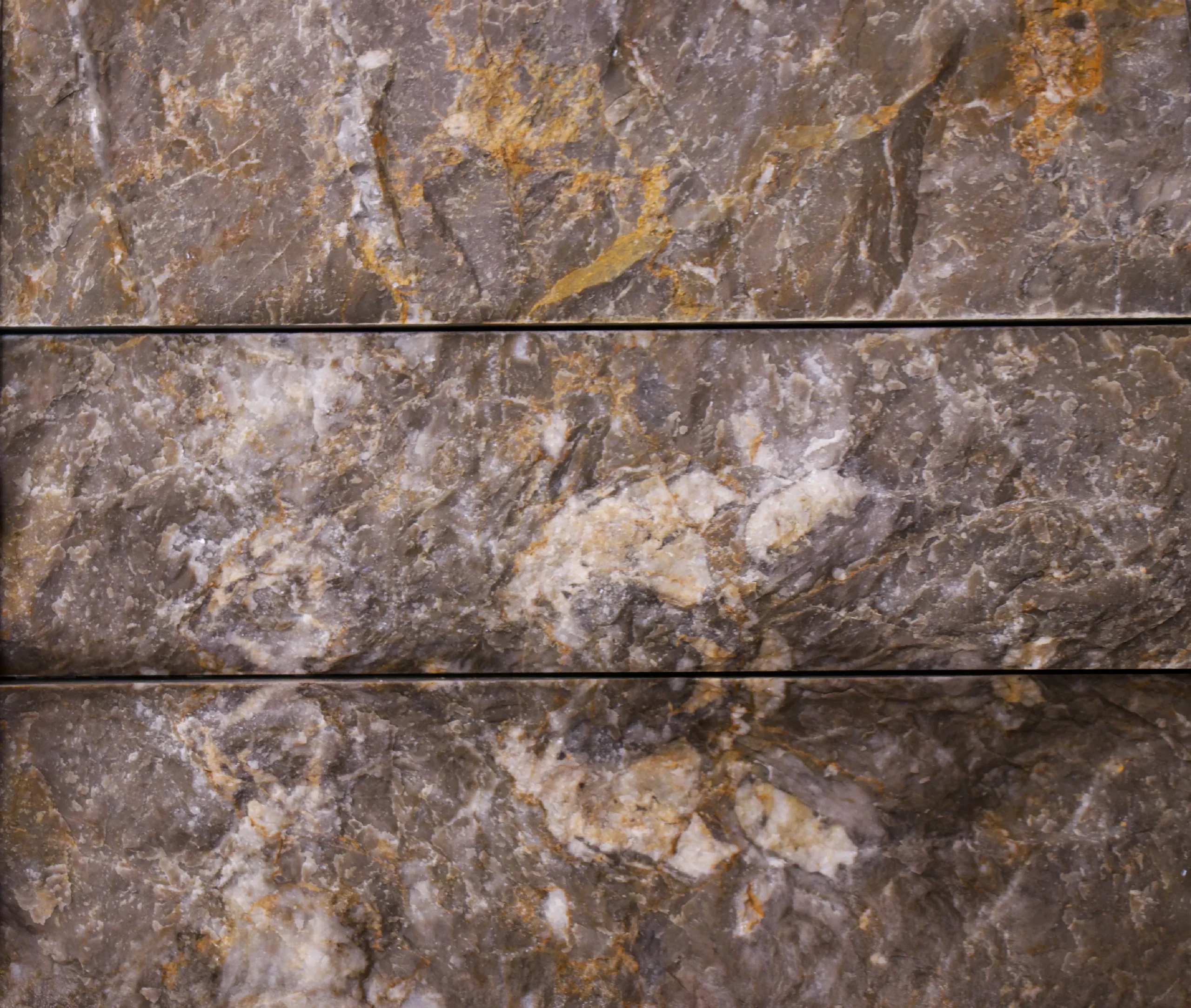
Guillotine stone is primarily used for aesthetic purposes, making it a go-to choice for decorative applications. These stones are crafted from broken or crushed natural stones such as travertine, travonex, and marble. They are shaped into rectangular profiles and bonded using mortar or specialized adhesives.
Thanks to its ease of installation and visual appeal, guillotine stone enjoys high demand in both domestic and export markets. It features two distinct surfaces:
- A smooth back surface for easy adhesion to walls.
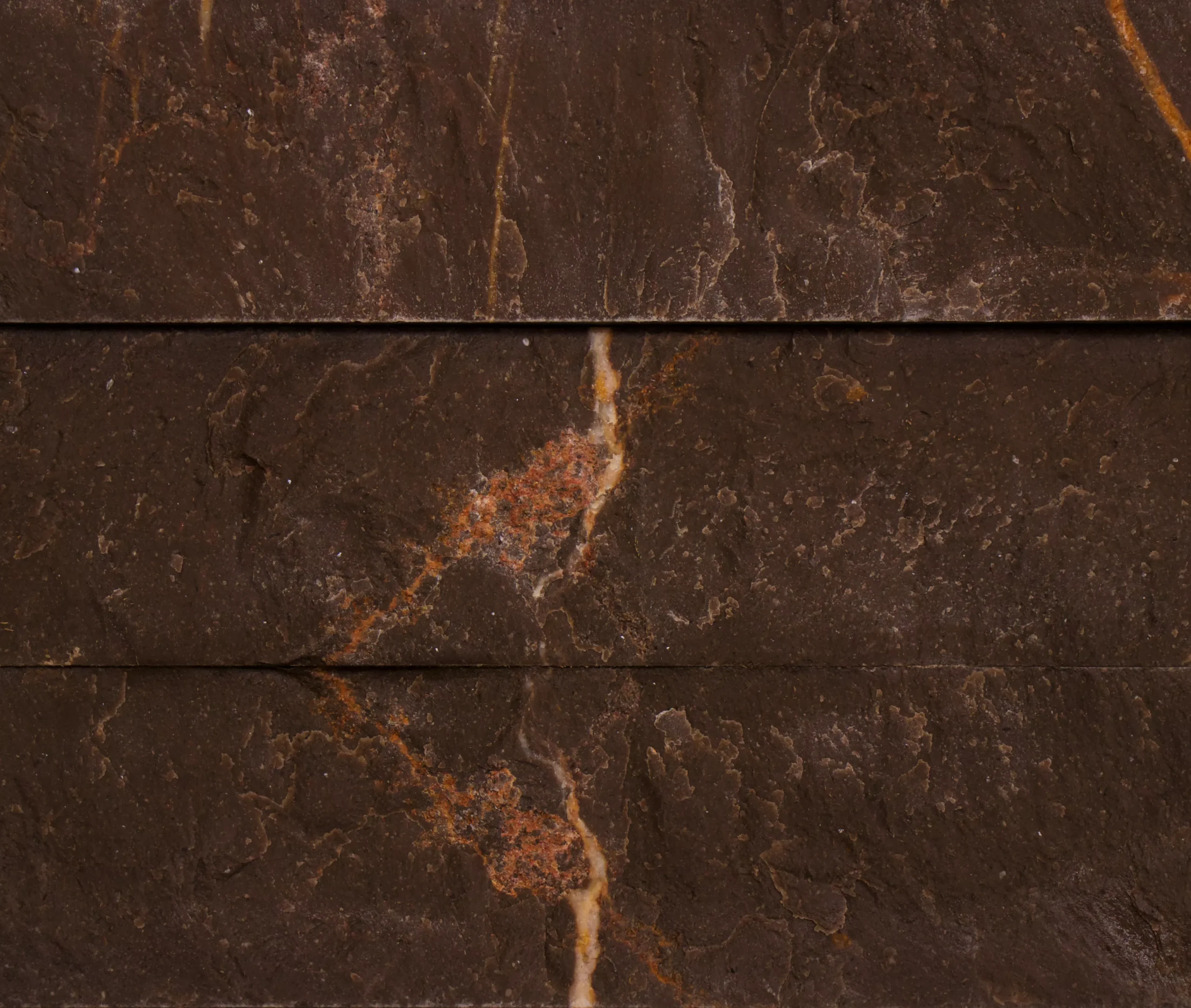
- A rough, textured front surface for visual impact on facades and decorative areas.
Common Applications of Guillotine Stone
Guillotine stone is versatile and can be used in a wide range of settings, including:
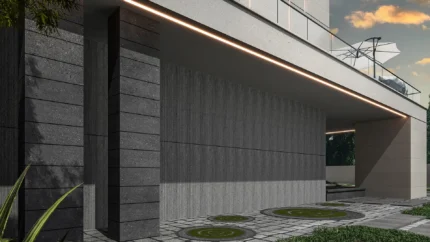
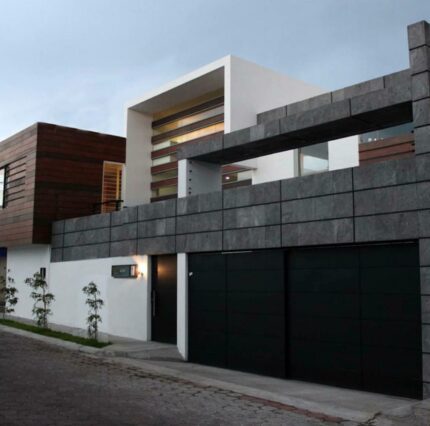
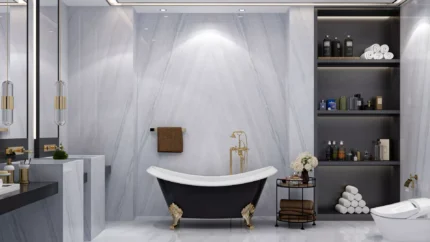
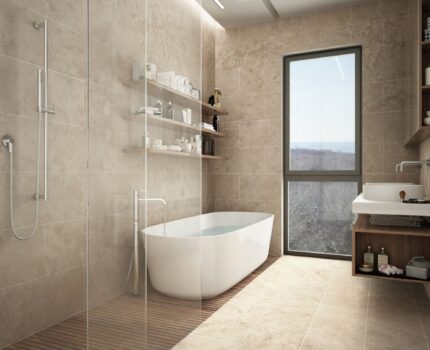
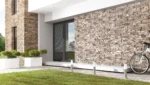
- Interior and exterior wall cladding
- Fireplaces
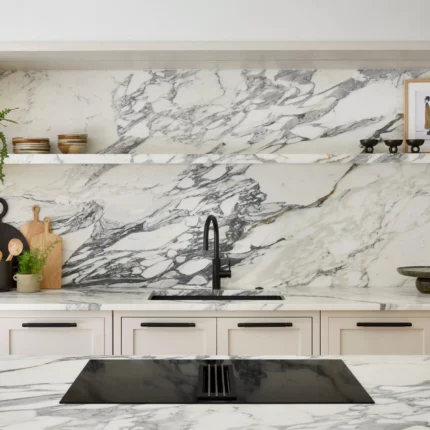
- Kitchen backsplashes
- Staircases
- Decorative columns
- Office partitions
- TV wall backgrounds
- Between kitchen cabinets
- Showcases and display areas
- Decorative objects
It pairs beautifully with other materials like wallpaper, Termowood, and ceramics, adding depth and character to any space.
Dimensions and Installation
Standard dimensions:
- Length: 10 cm
- Width: 3–4 cm
- Thickness: 1–1.5 cm
Custom sizes are available upon request. Guillotine stones are cut at a 90-degree angle and can be installed on various surfaces including plaster, cement, and tile.
Types of Guillotine Stone
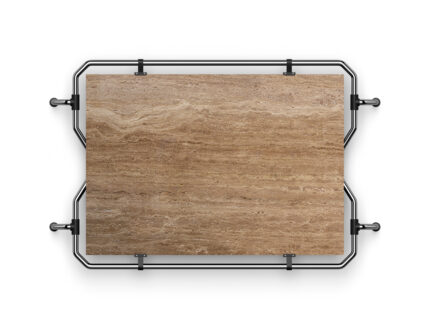
Popular varieties include:
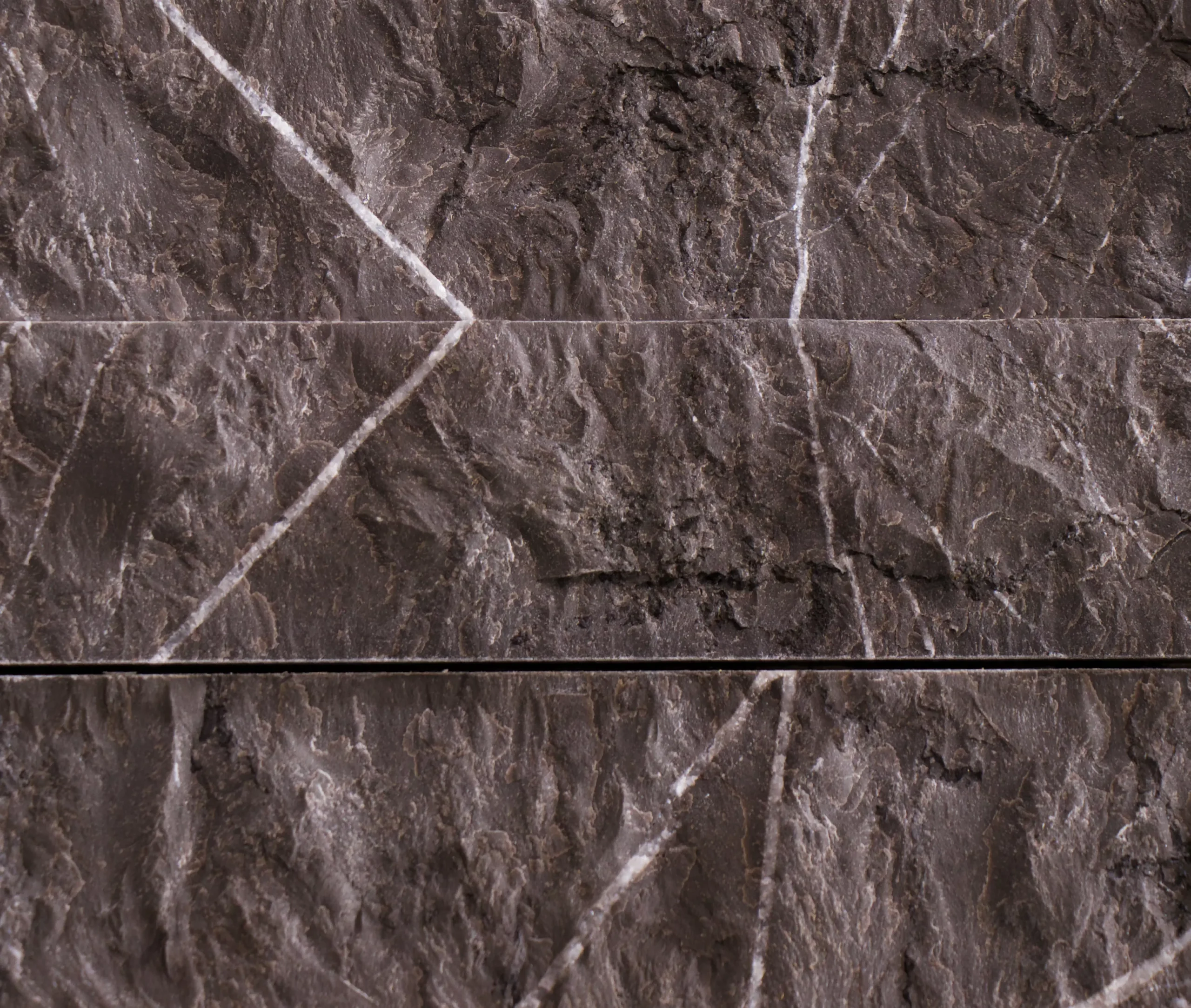
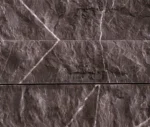
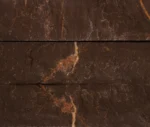
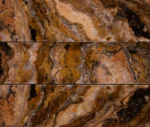
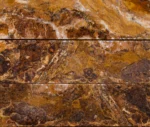
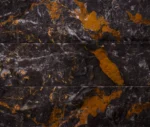
- Chocolate stone
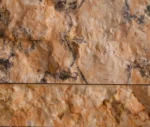
- Yellow sparkling stone
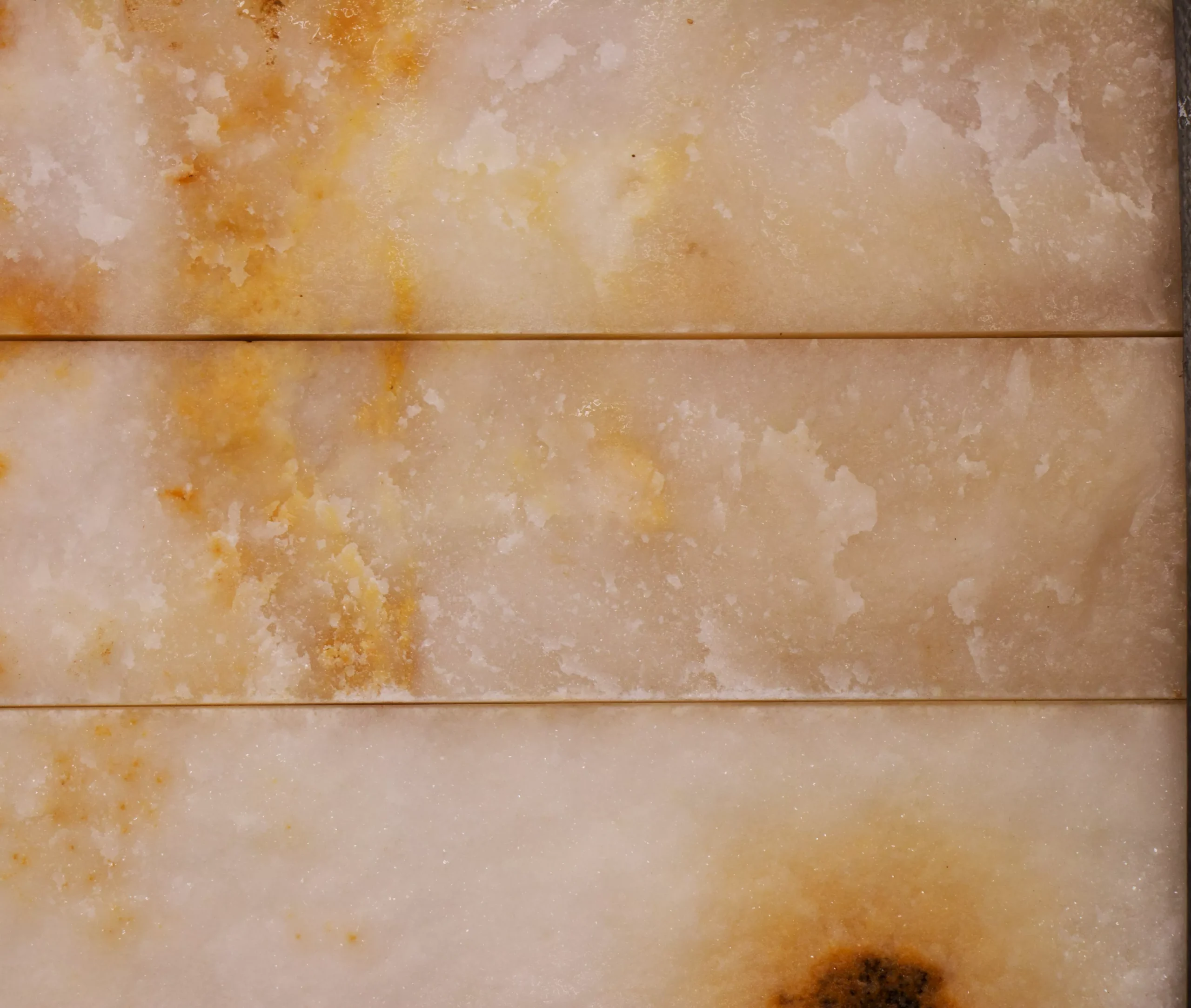
- White sparkling stone
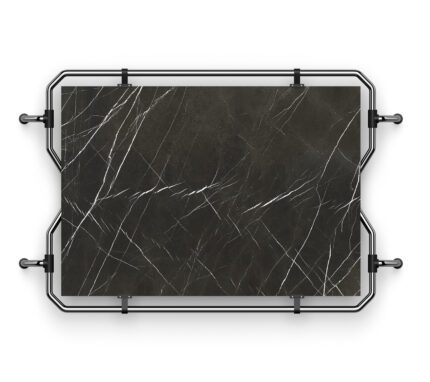
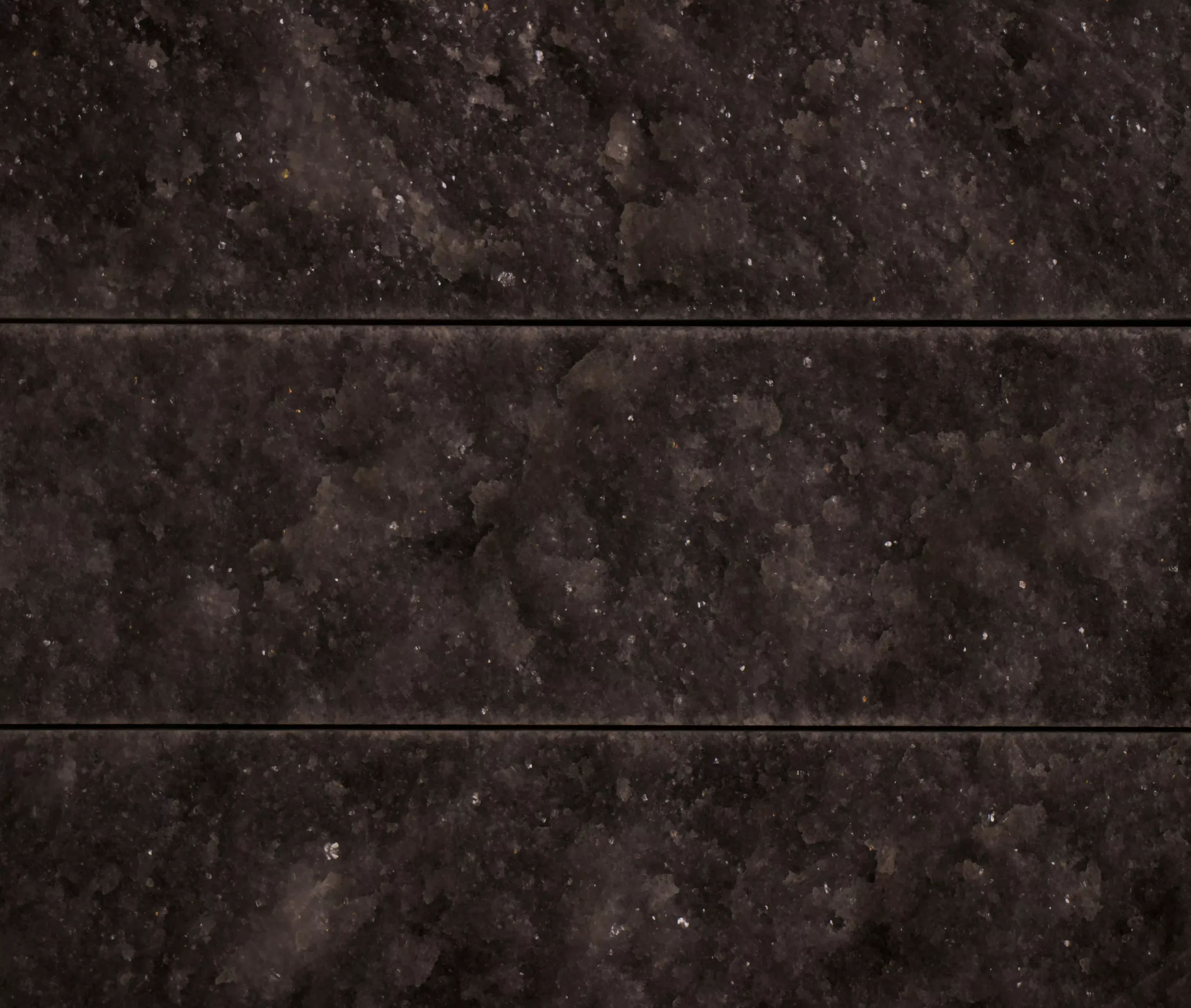
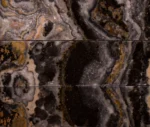
- Black stone
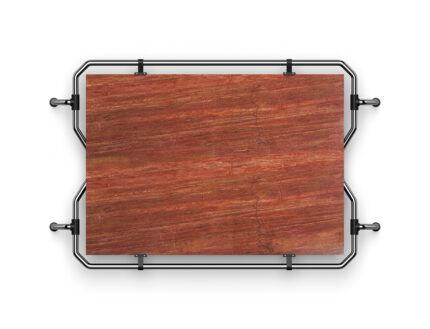
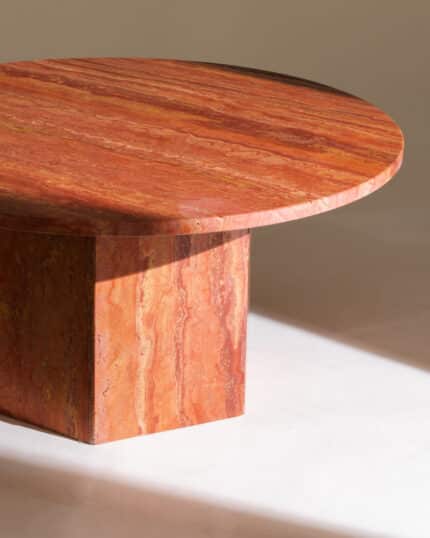
- Red stone
- Green marble
- Traonix stone
- Crystal stone
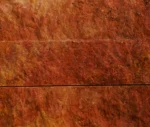
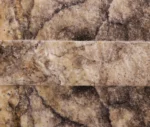
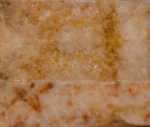
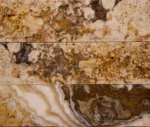
For TV wall backgrounds, darker stones like chocolate or walnut are recommended. Joshghan guillotine stone, resembling marble, is a top seller—especially in its premium white grade. Lower grades may feature pink, black, or yellow specks.
Advantages of Guillotine Stone
- Lightweight and easy to transport
- High resistance to wear, fire, and freezing
- Low water absorption (varies by type)
- Compatible with various adhesives
- Scratch and shock resistant
- Energy-efficient with sound insulation properties
- Affordable compared to other decorative stones
Its thin profile even allows it to be used like wallpaper in some applications.
Disadvantages of Guillotine Stone
- Prone to dust accumulation; requires frequent cleaning
- Not recommended for ceilings or dusty environments
- Difficult to remove once installed
- Higher cost for large-scale projects
Factors Affecting Guillotine Stone Pricing
Several variables influence the price:
- Size and thickness
- Grade and sorting quality
- Color and stone type
- Custom dimensions or finishes